


Festival Overview
Muju Firefly Festival CI

The Muju Firefly Festival CI features a calligraphic logo inspired by the image of a firefly in flight, giving it a warm, nature-inspired look.
Muju Firefly Festival Characters
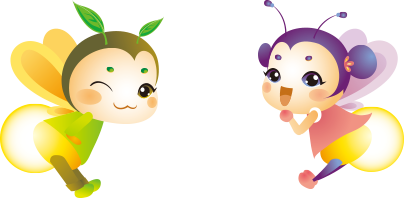
Ddori and Aro, born in Seolcheon-myeon, Muju County, are the official characters of the Muju Firefly Festival. Their goal in life is to share four dreams with people.

Flying Ddori & Aro

Ddori & Aro Snowboarding & Skiing
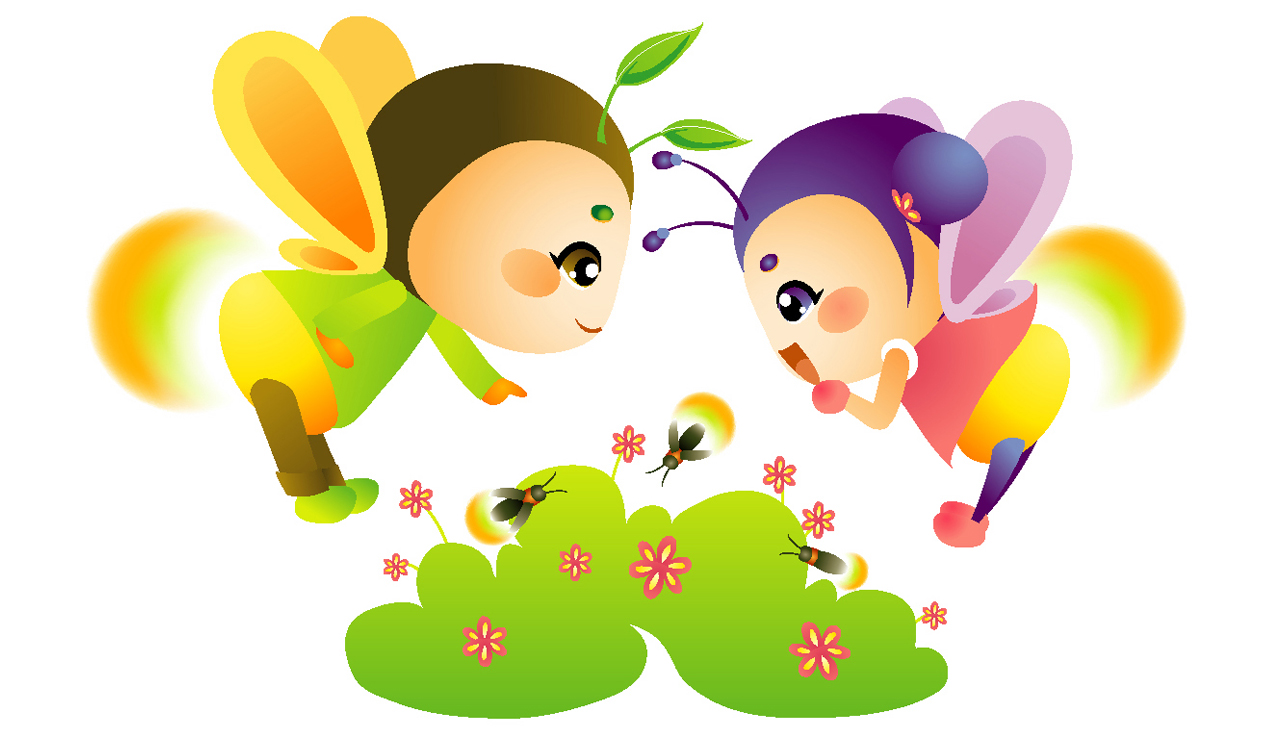
Ddori & Aro on an Exploration
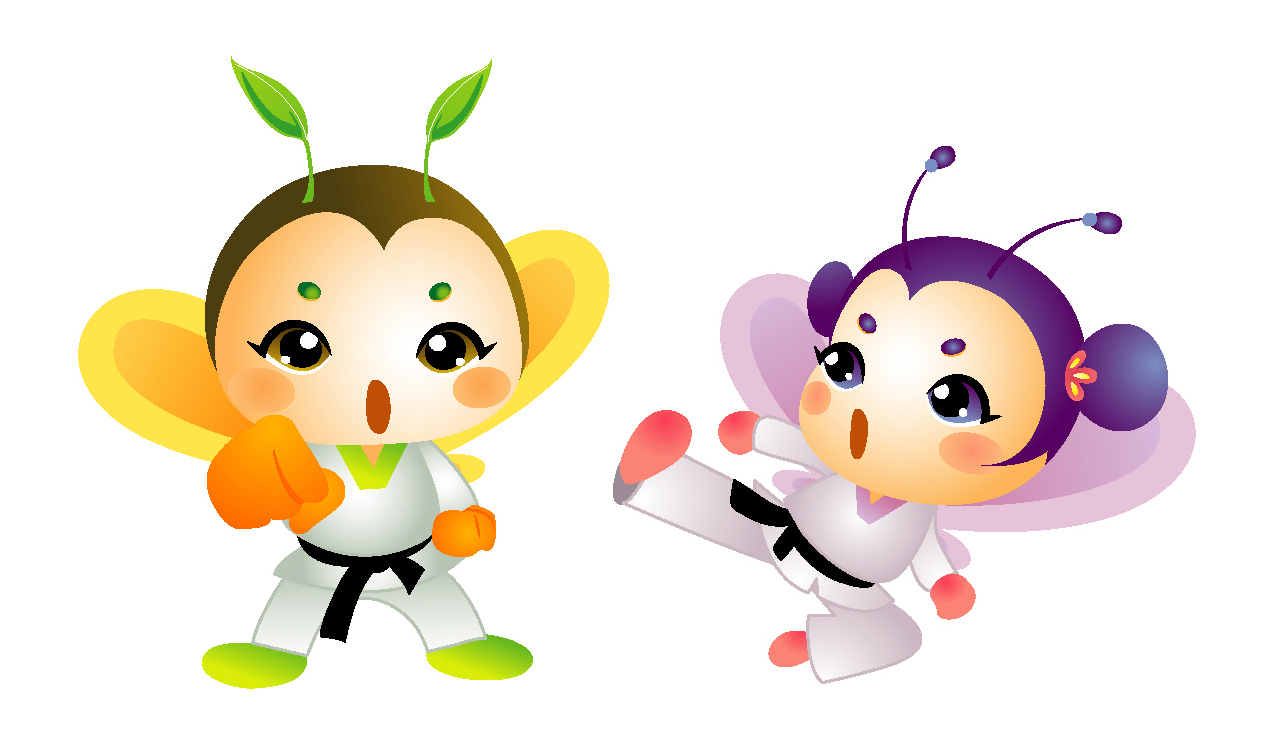
Taekwon! Ddori & Aro
Muju Firefly Festival Theme Song
Listen to the Muju Firefly Festival theme song with Ddori and Aro.
View Lyrics
Fireflies: Messengers of Life
- Fireflies have long been cherished for evoking childhood wonder and a sense of nostalgia.
- In recent years, industrialization and urbanization have brought environmental change and pollution, reducing both firefly habitats and populations. For this reason, fireflies are widely recognized as important indicator species that reflect environmental conditions. In Korea, Muju is uniquely recognized for its fireflies and their habitat, which are protected as Natural Monument No. 322.
- Fireflies are believed to have existed since the Cenozoic Era, approximately 50 to 70 million years ago. About 2,100 species are known worldwide and are distributed across most regions of the globe except the polar areas. They are also valued for the sense of wonder and calm they inspire and are widely regarded as environmental indicator species.
- In Korea, fireflies have also been known by regional names such as “bandi,” “banditbul,” and “gaettongbeolle.” The standard Korean name for the insect is “banditburi,” while “banditbul” refers specifically to the light produced by a firefly. The folk name “gaettongbeolle” is said to have originated either because fireflies were once as common as dog droppings, or because the insects favor damp places and were sometimes seen emerging at night from moist areas beneath cooling animal dung.
- In November 1982, the habitat of fireflies and their food source (freshwater snails) in the Seolcheon-myeon area of Muju was designated as Natural Monument No. 322. In January 2002, the designation was renamed to cover firefly and freshwater-snail habitats throughout Muju and expanded to three protected sites.
Classification and Anatomy of Fireflies
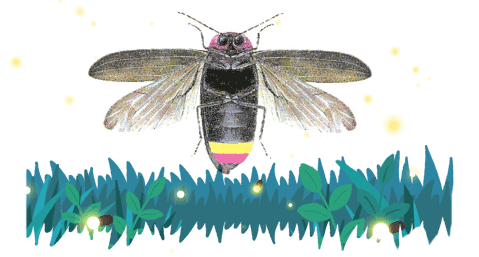
- Taxonomy: Invertebrate / Phylum Arthropoda / Class Insecta / Order Coleoptera / Family Lampyridae; a bioluminescent organism capable of producing its own light
- Species: More than 2,000 species worldwide; 8 species recorded in Korea, 3 currently known to inhabit Korea, and 3 found in Muju County.
| Lampyrinae | Luciolinae |
|---|---|
| Genus Lucidina(Genus Lucidina Gorham) - Lucidina Firefly(Lucidina sp. n. sp.) | Genus Aquatica(Luciola lateralis Motschulsky) - Heike Firefly(Lucidina sp. n. sp.), Young Firefly(Lucidina sp.), Unmunsan Firefly (Lucidina unmunsanaDoi) |
| Genus Lampyris(Genus Lampyris Geoffroy) - Common European Glow-worm(Lampyris noctiluca Linnaeus) | |
| Genus Pyrocoelia(Genus Lampyris Gorham) - Pyrocoelia rufa Firefly(Pyrocoelia rufa) |
Like other insects, a firefly’s body is divided into three main sections and includes a pair of antennae, eyes, three pairs of legs, and two pairs of wings.
Wing structure varies somewhat by species. In female Pyrocoelia rufa and Unmunsan fireflies, the wings may be greatly reduced, leaving only traces, or the hind wings may be reduced so that only one pair remains. The Papari firefly is also distinguished from other insects by its specialized light-producing organs.
In females, light is generally produced from the sixth abdominal segment, while males emit light from both the sixth and seventh abdominal segments.
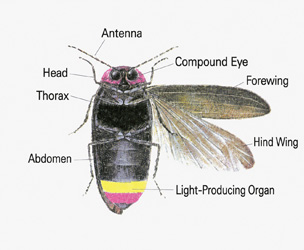
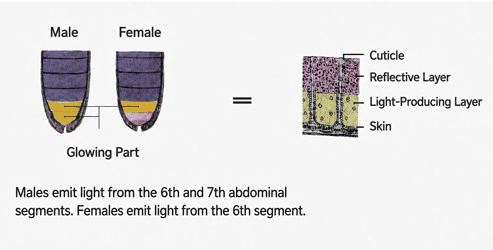
Purpose of Bioluminescence: Fireflies primarily use their light to find and attract mates. Their bioluminescence can also serve as a means of communication and as a warning or defense against potential threats.
How Fireflies Produce Light: A firefly’s light is produced by specialized light-emitting cells in the abdomen. During this process, the chemical luciferin reacts with ATP, the body’s energy source, and the enzyme luciferase, producing oxyluciferin and visible light.


How Fireflies Produce Light: A firefly’s light is produced by specialized light-emitting cells in the abdomen. During this process, the chemical luciferin reacts with ATP, the body’s energy source, and the enzyme luciferase, producing oxyluciferin and visible light.
The Firefly Life Cycle
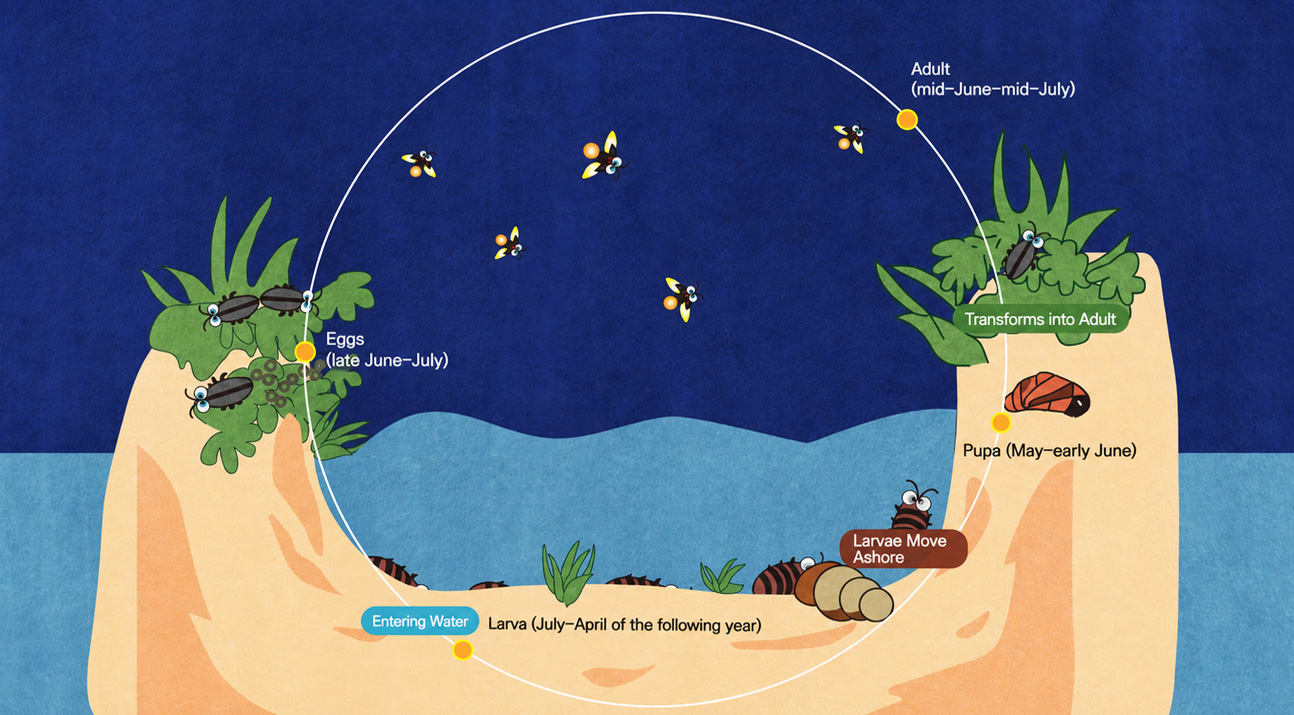
| Adult (Mid-June–Mid-July) | Egg (Late June–July) | Larva (July–April of the Following Year) | Pupa (May–Early June) |
|---|---|---|---|
| Lifespan: About 15 days | Egg-Laying Site: Damp, shaded areas away from direct sunlight (grass, moss) | Habitat: Aquatic | Habitat: Underground pupal chamber |
| Food: Dew | Size: 0.5–0.6 mm | Food: Freshwater snails | Duration: About 20 days |
| Activity: Primarily active at night | Hatching: Hatches after 20–25 days | Size: 15~20mm | |
| Egg Laying: After mating, the female begins laying eggs within 1–3 days, lays approximately 200–300 eggs over several rounds, and then dies | Duration: About 10 months |
| Adult (Mid-June–Mid-July) | Lifespan: About 15 days | Food: Dew | Activity: Primarily active at night | Egg Laying: After mating, the female begins laying eggs within 1–3 days, lays approximately 200–300 eggs over several rounds, and then dies |
|---|---|---|---|---|
| Egg (Late June–July) | Egg-Laying Site: Damp, shaded areas away from direct sunlight (grass, moss) | Size: 0.5–0.6 mm | Hatching: Hatches after 20–25 days | |
| Larva (July–April of the Following Year) | Habitat: Aquatic | Food: Freshwater snails | Size: 15~20mm | Duration: About 10 months |
| Pupa (May–Early June) | Habitat: Underground pupal chamber | Duration: About 20 days |